A look at the family life of Hezbollah’s former leader
Hassan Nasrallah is widely known for his political and military role in Lebanon and his confrontation with Israel. But Memories of My Father explores another side of his life: his family relationships, religious beliefs and everyday habits, as remembered by his son. Written by Muhammad Mahdi Nasrallah and translated into Persian by Bushra Sahebi, the book was published by Amirkabir Publishing around the anniversary of Hassan Nasrallah’s martyrdom.
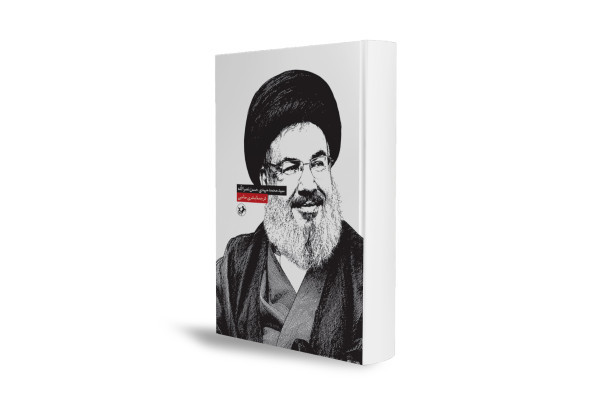
Hassan Nasrallah is widely known for his political and military role in Lebanon and his confrontation with Israel. But Memories of My Father explores another side of his life: his family relationships, religious beliefs and everyday habits, as remembered by his son. Written by Muhammad Mahdi Nasrallah and translated into Persian by Bushra Sahebi, the book was published by Amirkabir Publishing around the anniversary of Hassan Nasrallah’s martyrdom.
A Lebanese Shia cleric, Hassan Nasrallah became Hezbollah’s secretary-general in 1992 and held the position until his martyrdom in an Israeli airstrike on Beirut’s southern suburbs on September 27, 2024. Hezbollah, a Lebanese organization with political and military wings and backing from Iran, is a major player in Lebanese politics and in the confrontation with Israel.
Rather than focusing on Nasrallah’s political and military activities, Memories of My Father brings together family memories and personal observations. Its subjects include raising children, simple living, reading, worship, and life under difficult security conditions.
According to the publisher’s description, the book contains 82 short accounts divided into two sections, provisionally translated as What I Heard and What I Saw. One account recounts a conversation between Nasrallah and his son about the different levels of remembrance of God.
Muhammad Mahdi Nasrallah writes that, during one of their final meetings, his father explained: “Remembering God is not limited to uttering certain words; it has deeper levels, including remembrance in the heart.”
To illustrate this idea, Nasrallah explains that a person can remember God inwardly while working or sitting among others. This might involve silently repeating a particular invocation or reflecting on God’s signs and attributes, without saying the words aloud. According to his son, Nasrallah then adds, with a playful smile, that at home, in his wife’s presence, he need not worry that reciting invocations might be seen as showing off his piety. He can simply take up his prayer beads and engage in remembrance of God freely.
This anecdote offers a glimpse of the personal recollections collected in the book. Through his son’s account, readers see a more intimate dimension of Nasrallah’s life, shaped by his religious beliefs, daily habits and family relationships.
2026-09-24