From Nigeria to Iran: A Journey of Ideas and Social Change
The story of The Man from Zaria does not begin with the violence that made Zaria known around the world. In her book, young Iranian author Najmeh Javadi begins her account of Sheikh Ibrahim Zakzaky’s life with his family background and memories of his mother, Saleha. By looking beyond the public figure Zakzaky would later become, she traces the personal and social roots of his life before turning to his intellectual journey and the events that unfolded in Zaria in 2015.
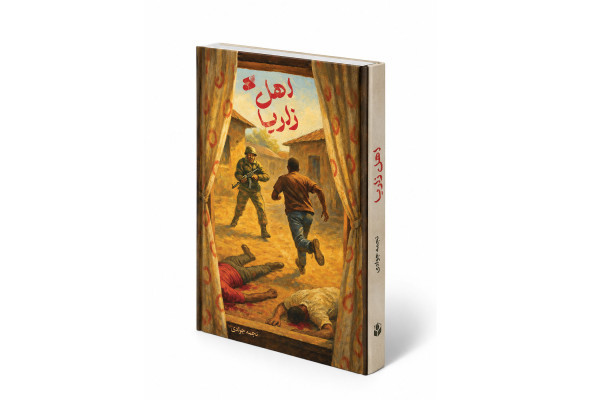
The story of The Man from Zaria does not begin with the violence that made Zaria known around the world. In her book, young Iranian author Najmeh Javadi begins her account of Sheikh Ibrahim Zakzaky’s life with his family background and memories of his mother, Saleha. By looking beyond the public figure Zakzaky would later become, she traces the personal and social roots of his life before turning to his intellectual journey and the events that unfolded in Zaria in 2015.
Published by International Publishing, The Man from Zaria follows Zakzaky’s life, intellectual development and social activism against the backdrop of contemporary Nigerian history. The narrative begins with his formative years and traces his path toward becoming a prominent figure in Nigeria’s Islamic Movement.
A central theme of the book is Zakzaky’s encounter with the ideas of Ayatollah Ruhollah Khomeini and the influence of Iran’s Islamic Revolution on his intellectual and social outlook.
Khomeini, an Iranian Shia cleric, led the 1979 revolution that overthrew the monarchy of Mohammad Reza Pahlavi and established the Islamic Republic of Iran. He remained the country’s leading political and religious figure until his death in 1989. His ideas also influenced some Islamic movements beyond Iran. Through Zakzaky’s life, Javadi explores this intellectual connection within the broader social and religious context of Nigeria.
Zaria, a city in Kaduna State in northern Nigeria, became the site of a deadly military operation in December 2015. Between December 12 and 14, Nigerian security forces killed more than 350 members and supporters of the Islamic Movement in Nigeria, according to Amnesty International. The Baqiyyatullah religious center, associated with the movement, was also destroyed, and Zakzaky was arrested. The killings drew international attention to the movement and the circumstances surrounding the events in Zaria.
Yet the 2015 violence is only one part of the story. By tracing Zakzaky’s family background, intellectual development and social activities, Javadi places the events in Zaria within the broader course of his life. The book thus seeks to connect a defining episode in Nigeria’s recent history with the experiences and ideas of the man at its center.
The idea for the book took shape in 2020–2021, during the Iranian calendar year 1399, after Javadi watched an interview. She spent four years researching the subject and gathering information, followed by another year writing the book. The result is a 176-page account of Zakzaky’s life and a chapter in the contemporary history of Nigeria’s Shia community.
From Zakzaky’s family background and formative years to his encounter with Iran’s Islamic Revolution and the events in Zaria, The Man from Zaria traces the intersection of personal experience, intellectual development and social change in Nigeria.
2026-09-10