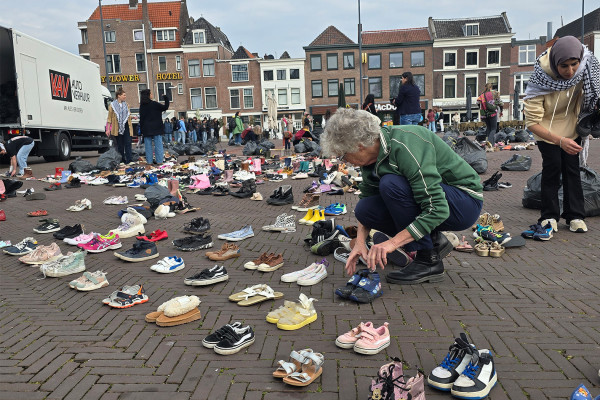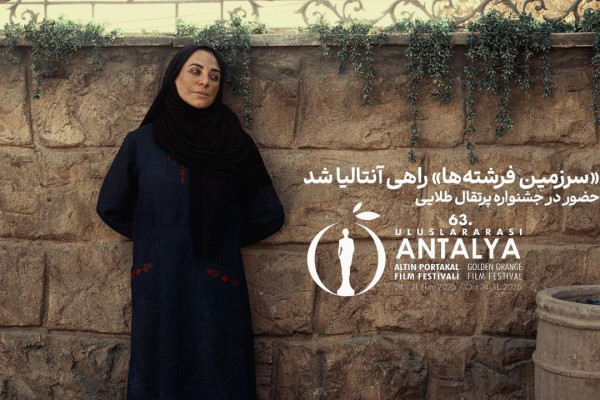
Iranian cinema brings the experiences of children caught up in war to the screen.
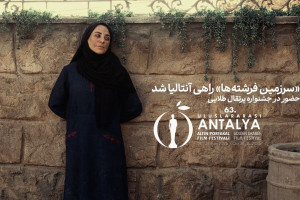
Iranian Film on Gaza’s Children to Screen at Antalya Golden Orange Film Festival
An Iranian Novel Explores the Loneliness Behind Marriage
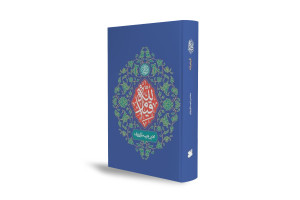
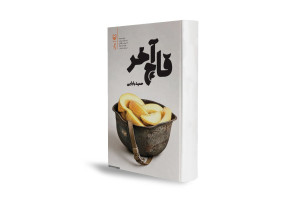
Marriage is supposed to bring two people closer, but in Green Autumn, it becomes the starting point of one woman’s struggle with regret and loneliness. Iranian writer Fatemeh Daneshvar Jalil follows a protagonist who comes to see her marriage to Bahman as a major mistake, turning inward as she tries to cope with the pressures of everyday life. The book was published by Sooreh Mehr, a publishing house that publishes works produced by Hozeh Honari, a cultural and artistic institution affiliated with Iran’s Islamic Development Organization.
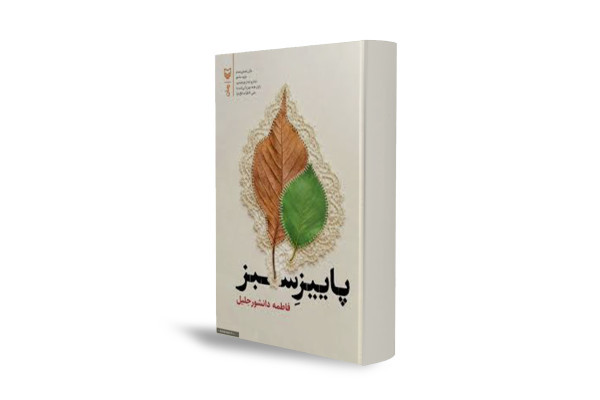
Marriage is supposed to bring two people closer, but in Green Autumn, it becomes the starting point of one woman’s struggle with regret and loneliness. Iranian writer Fatemeh Daneshvar Jalil follows a protagonist who comes to see her marriage to Bahman as a major mistake, turning inward as she tries to cope with the pressures of everyday life. The book was published by Sooreh Mehr, a publishing house that publishes works produced by Hozeh Honari, a cultural and artistic institution affiliated with Iran’s Islamic Development Organization.
Rather than focusing on a succession of outward events, the novel follows the protagonist’s efforts to make sense of her own feelings. She criticizes herself, tries to comfort herself, and offers herself advice. These inner conversations reveal the tension between her past choices and her present emotions, shaping the way the story unfolds.
Loneliness Behind Closed Doors
In Green Autumn, loneliness means more than being physically alone. It is an inner experience that can persist even within marriage. The protagonist struggles with the consequences of her choices while trying to understand her conflicting emotions and come to terms with her circumstances.
Marriage thus becomes more than the setting for a relationship story. It provides a way to explore regret, uncertainty, and the difficult process of understanding oneself. The narrative places the protagonist’s emotional life at its center, showing how the struggle to live with a decision can continue long after it has been made.
When the Inner Voices Grow Louder
The protagonist’s inner dialogue is one of the novel’s defining features. Reflecting on her experience, she says:
“I would criticize myself, make myself laugh, comfort myself, and give myself advice...”
In this brief account, she takes on several roles at once: critic, comforter, and guide. Another passage offers a closer look at the conflict taking shape within her:
“It was as if two personalities had taken shape inside me. Perhaps we all have two sides.
Perhaps they are the good and the bad within us, constantly at war with each other. The difference was that, in me, their voices had grown louder, and they were constantly talking to each other.”
The passage gives a more tangible form to the protagonist’s inner struggle. Doubts and competing impulses that many people may recognize become unusually vivid in her mind, shaping how she experiences her life.
Living with the Choices We Make
Through one woman’s experience, Green Autumn explores the distance that can emerge between outward circumstances and inner feelings. Its portrayal of regret, loneliness, and self-questioning invites readers to reflect on how people live with their past choices—and how difficult it can be to find peace with themselves.
2026-09-09






T
T