An Overview of the Educational Model of Iran’s Sadra Schools
Sadra Schools؛ Education and Student Life in Iran
A look at Things Not Seen, a young adult novel by Andrew Clements
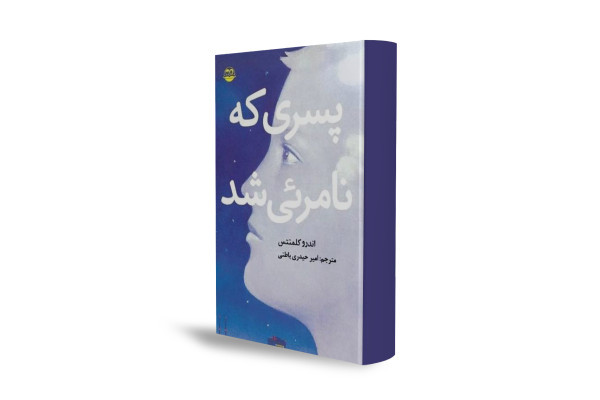
Bobby Phillips, a 15-year-old boy, wakes up one morning to discover that he has become invisible. The change upends his daily life: he can no longer attend school, spend time with his friends, or participate in everyday social life. In Things Not Seen, Andrew Clements uses this fantastical premise to explore isolation and the challenge of staying connected to others.
Bobby Phillips, a 15-year-old boy, wakes up one morning to discover that he has become invisible. The change upends his daily life: he can no longer attend school, spend time with his friends, or participate in everyday social life. In Things Not Seen, Andrew Clements uses this fantastical premise to explore isolation and the challenge of staying connected to others.
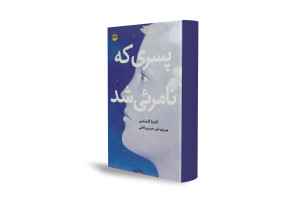
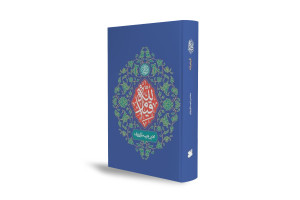
First published in 2002, the novel was published in Iran in 2016 in a Persian translation by Amir Heydar Bateni. The Iranian edition was released by Shokoufeh, the children’s and young adult imprint of Amirkabir Publications, an established Iranian publishing house.
When Ordinary Life Is No Longer Within Reach
Bobby’s family tries to keep his condition a secret. His father, a physicist, searches for an explanation for Bobby’s invisibility and a way to reverse it. But the longer the mystery remains unsolved, the more its effects on Bobby’s life become apparent. Cut off from school and his friends, he must find a new way to navigate the world around him.
The story is therefore about more than solving an extraordinary mystery. Invisibility forces Bobby, who was already somewhat withdrawn, to confront a life in which familiar routines and relationships are no longer readily available to him.
Connecting with Others in a Different Way
A key character in the novel is Alicia, a blind girl whom Bobby meets. Their relationship broadens the story beyond the mystery of his invisibility and introduces a different perspective on connection and understanding.
Bobby’s invisibility and Alicia’s blindness are distinct experiences, and the novel does not make them interchangeable. Yet bringing the two characters together raises a question: how much do our understanding of others and our ability to connect with them depend on appearance and sight?
Alicia’s role also makes the representation of disability an important dimension of the novel. This aspect may interest young readers, parents, teachers, and librarians across different cultural contexts.
Beyond a Fantasy Premise
Clements links an imaginary situation to familiar experiences of adolescence: the need for friendship, independence, acceptance, and a sense of belonging. In the novel, invisibility is more than a mystery to solve. It forces Bobby to reconsider his relationships with his family and friends, as well as his place in the world.
By connecting a fantastical premise with recognizable human experiences, the novel offers young readers across cultures a way to reflect on isolation, belonging, and the importance of human connection.
Awards and Recognition
In 2004, Things Not Seen won the American Library Association’s Schneider Family Book Award. The award recognizes books that offer an artistic portrayal of the disability experience for children and young adults. The novel also won the California Young Reader Medal in 2005. In addition, Andrew Clements’s official website lists the book as an ALA/YALSA Best Book for Young Adults for 2002.
These distinctions, together with the novel’s exploration of isolation and disability, help place it within the broader landscape of children’s and young adult literature. They also offer useful context for readers interested in stories about adolescence, difference, and the ways people understand and connect with one another.
2026-09-19



T
T